

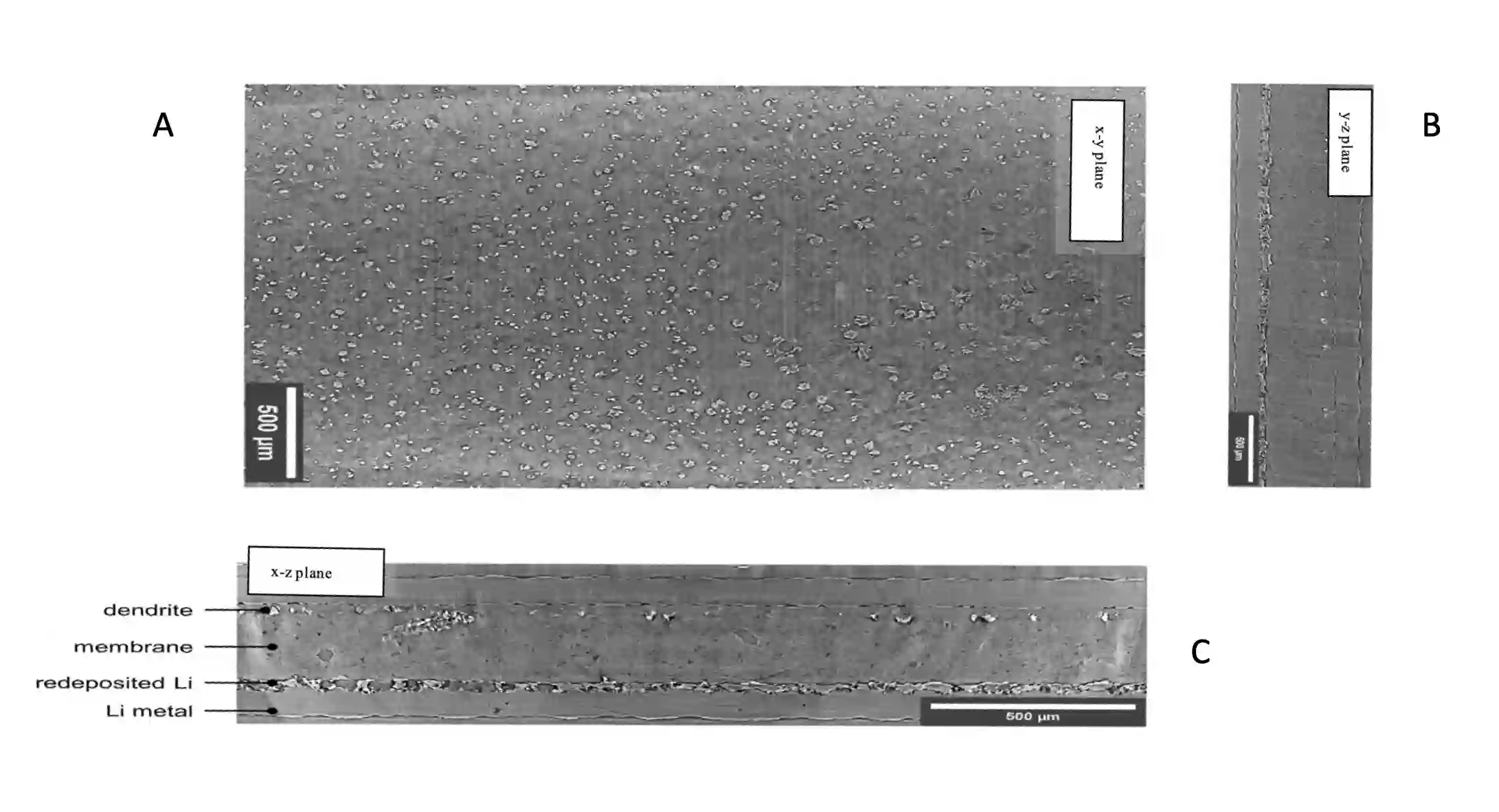
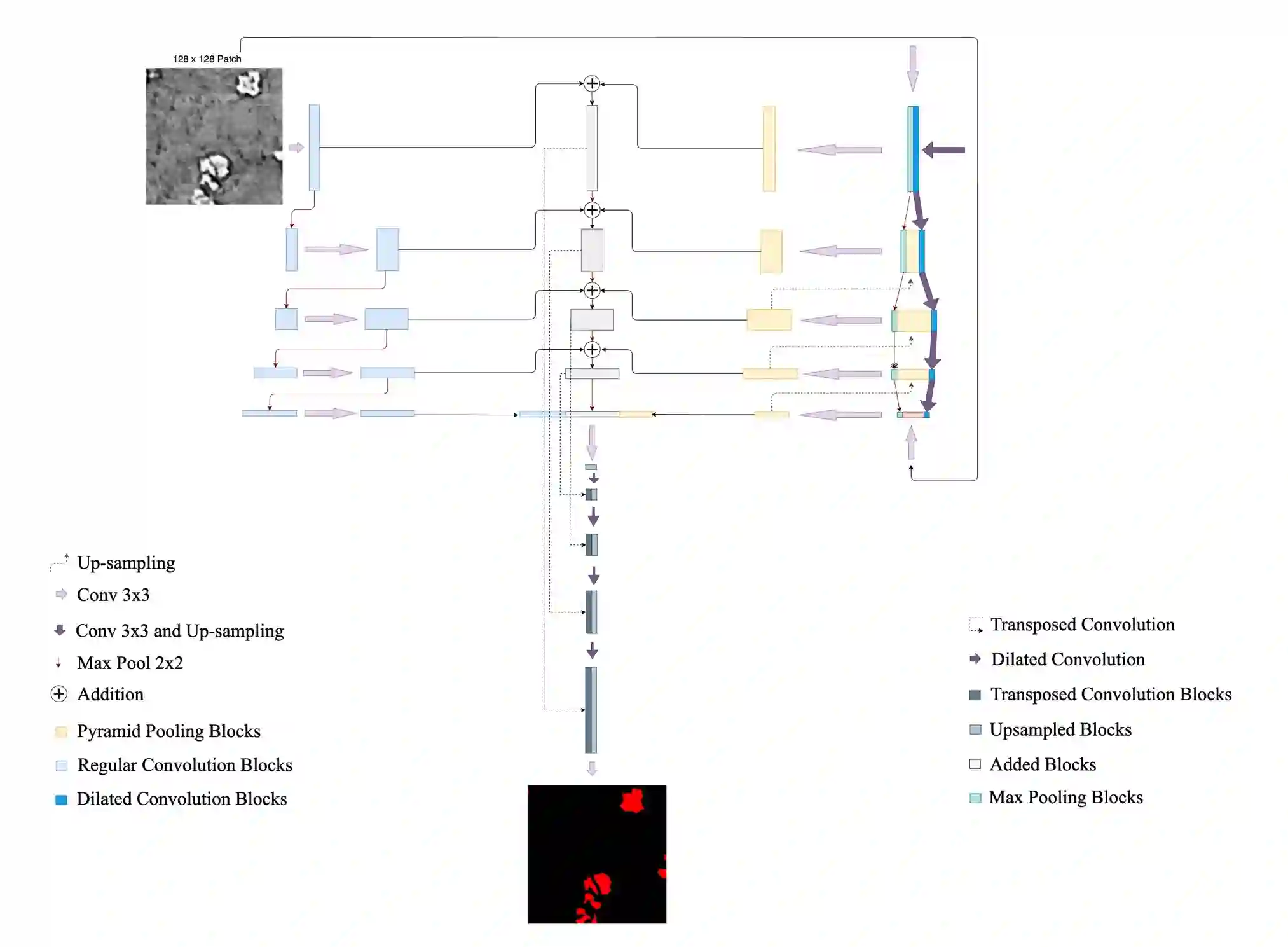
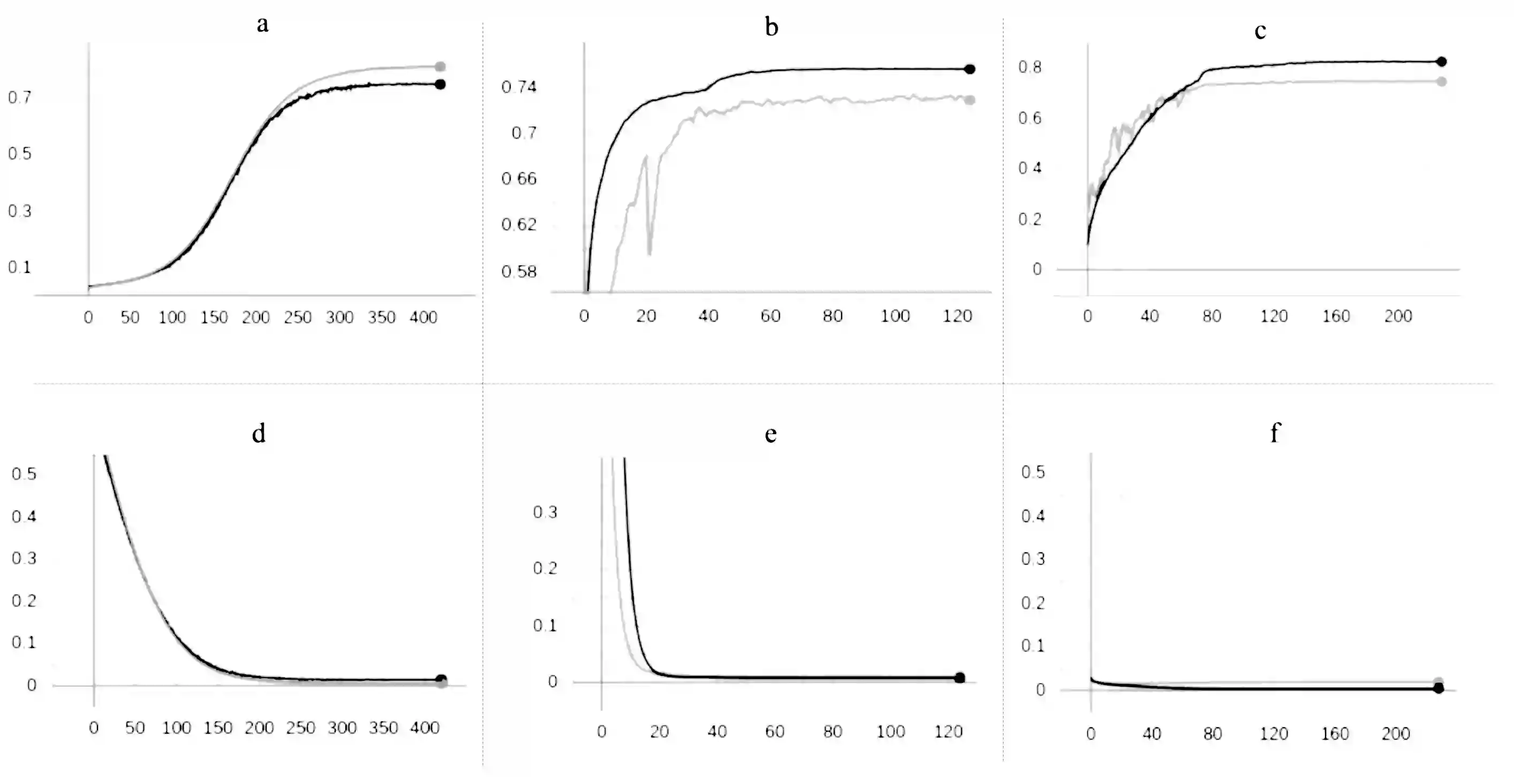
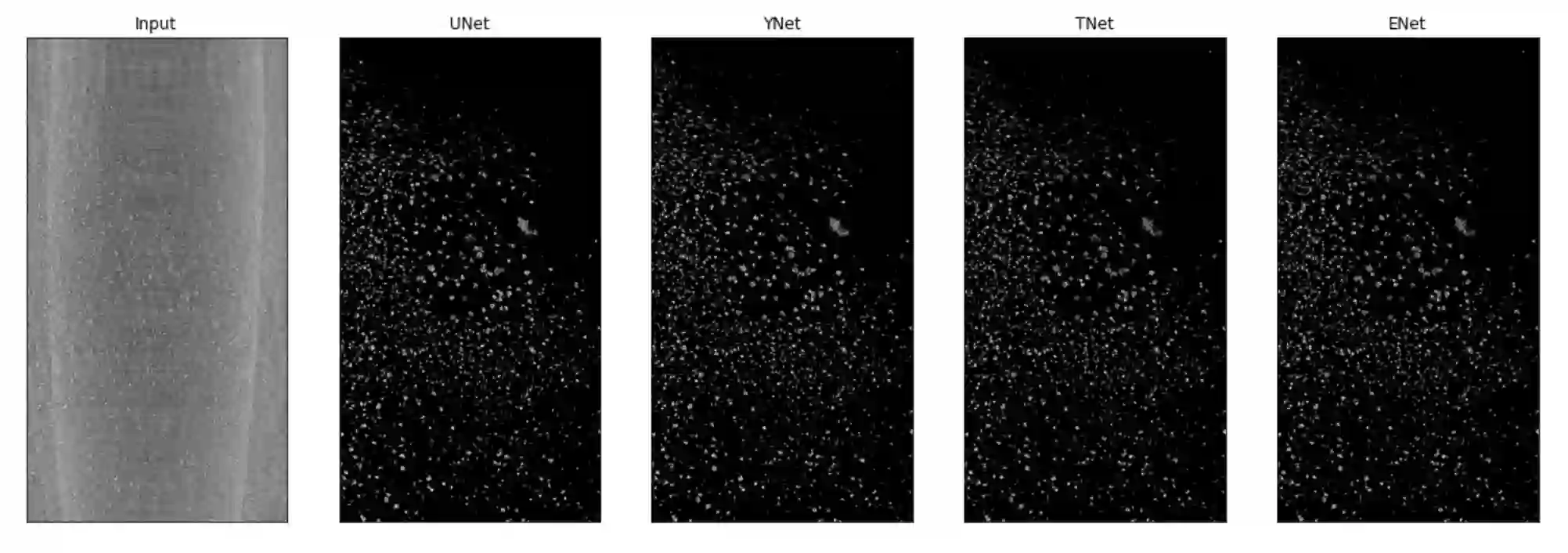
Lithium metal battery (LMB) has the potential to be the next-generation battery system because of their high theoretical energy density. However, defects known as dendrites are formed by heterogeneous lithium (Li) plating, which hinder the development and utilization of LMBs. Non-destructive techniques to observe the dendrite morphology often use computerized X-ray tomography (XCT) imaging to provide cross-sectional views. To retrieve three-dimensional structures inside a battery, image segmentation becomes essential to quantitatively analyze XCT images. This work proposes a new binary semantic segmentation approach using a transformer-based neural network (T-Net) model capable of segmenting out dendrites from XCT data. In addition, we compare the performance of the proposed T-Net with three other algorithms, such as U-Net, Y-Net, and E-Net, consisting of an Ensemble Network model for XCT analysis. Our results show the advantages of using T-Net in terms of object metrics, such as mean Intersection over Union (mIoU) and mean Dice Similarity Coefficient (mDSC) as well as qualitatively through several comparative visualizations.
翻译:锂金属电池因其高理论能量密度,有望成为下一代电池系统。然而,锂金属电池中异质锂沉积形成的枝晶缺陷阻碍了其开发与应用。观测枝晶形貌的无损技术常采用计算机X射线断层扫描成像获取截面视图。为重建电池内部三维结构,图像分割成为定量分析XCT图像的关键。本文提出一种基于Transformer神经网络(T-Net)的新型二值语义分割方法,能够从XCT数据中分割出枝晶。此外,我们将T-Net与U-Net、Y-Net和E-Net(集成网络模型用于XCT分析)三种算法进行性能比较。结果表明,T-Net在物体度量指标(如平均交并比和平均Dice相似系数)以及多组对比可视化定性分析中均表现出优势。





相关内容





 微信扫码咨询专知VIP会员