

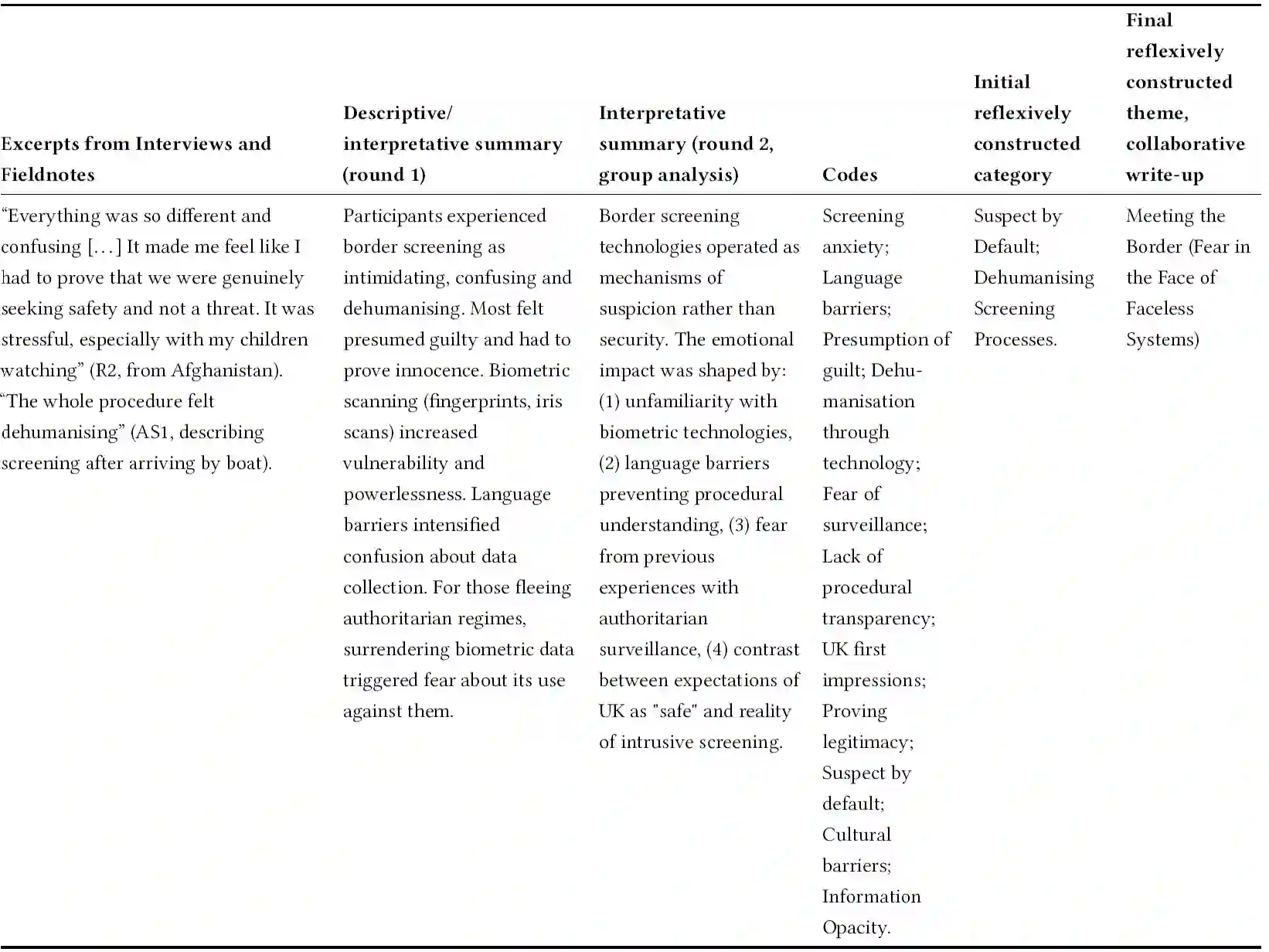
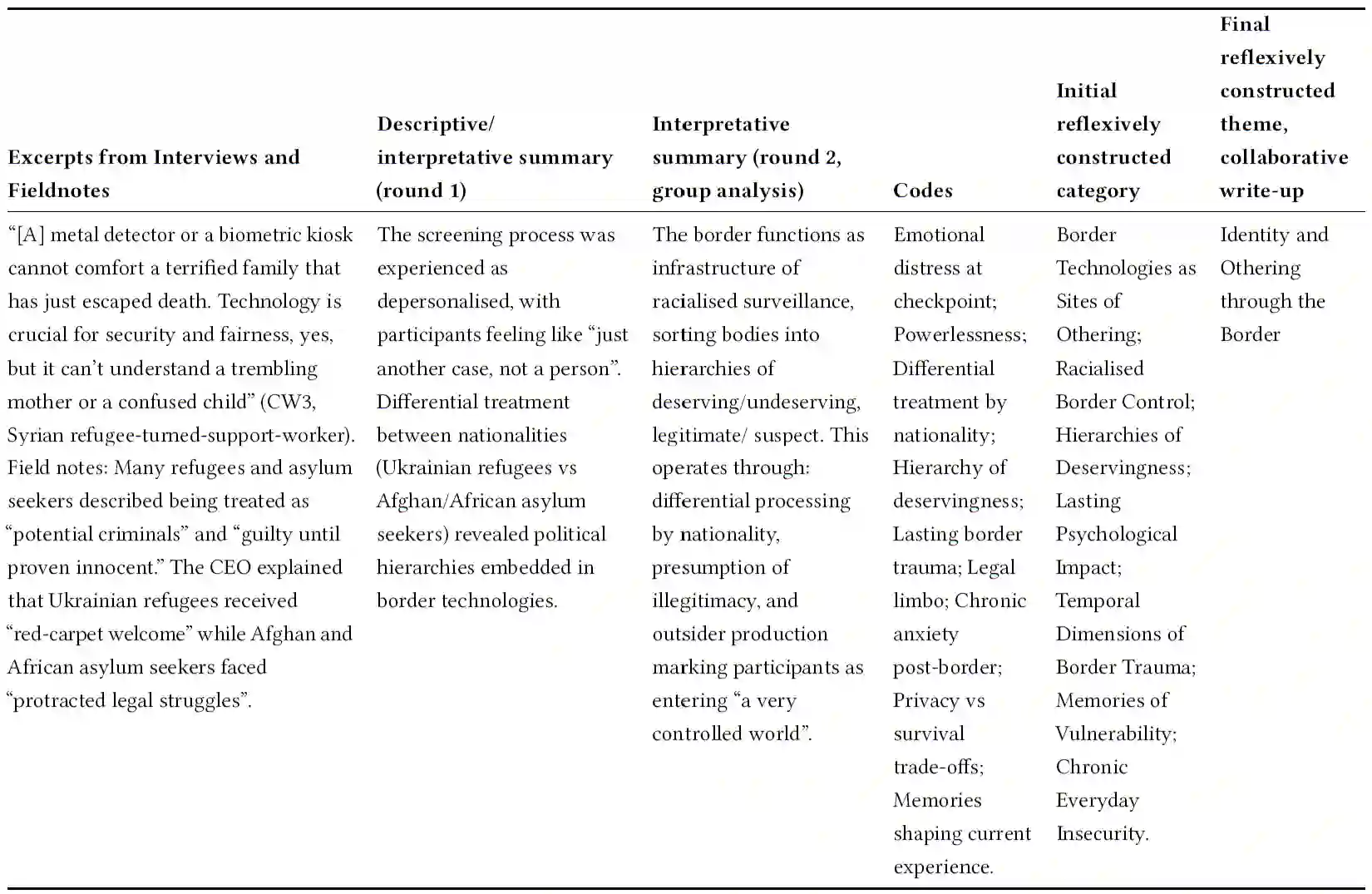
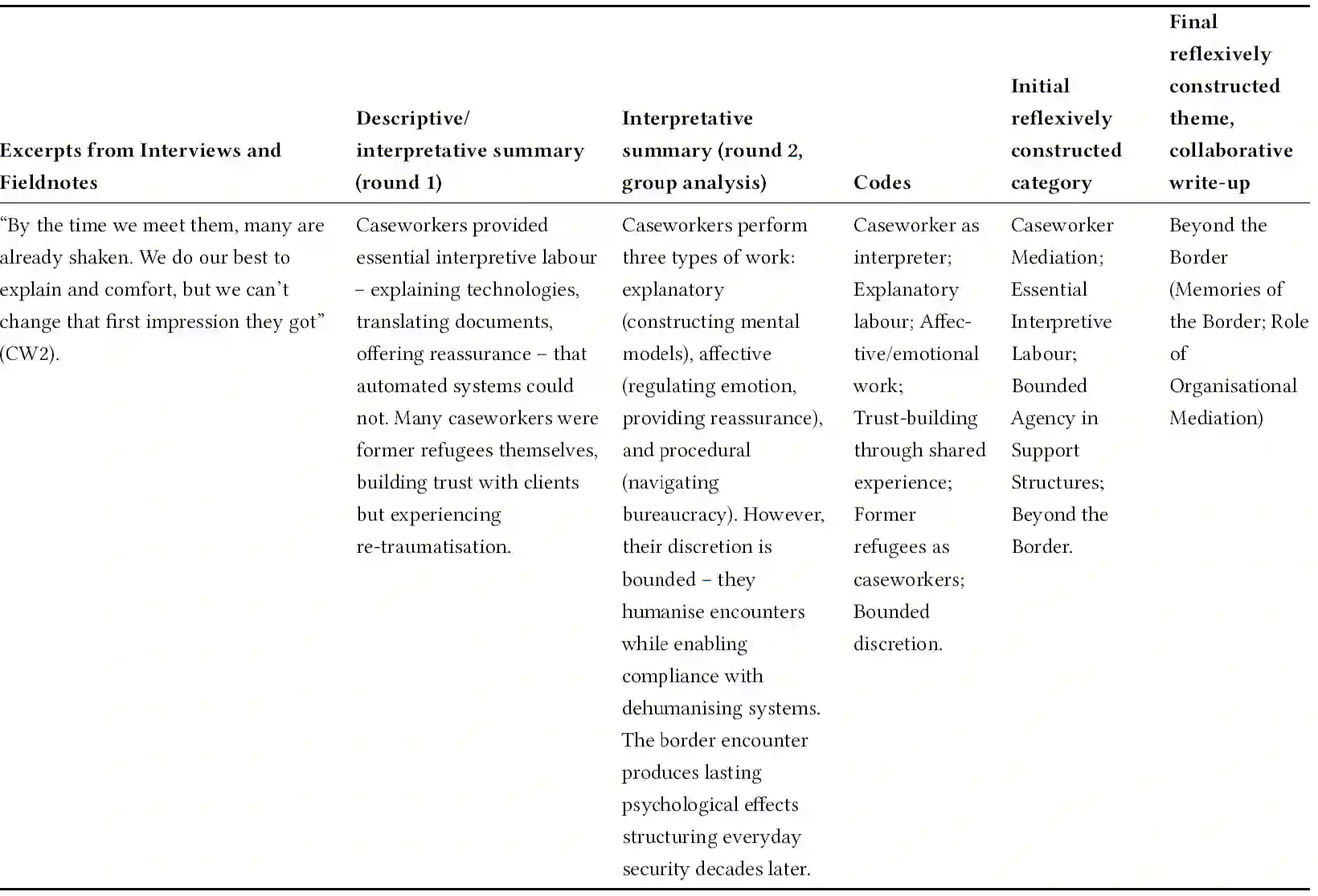
We bring to light how some asylum seekers and refugees arriving in the UK experience border control and wider immigration systems, as well as the impact that these have on their subsequent lives in the UK. We do so through participant observation in a support organisation and interviews with caseworkers, asylum seekers and refugees. Specifically, our findings show how the first meeting with the border, combined with a 'hostile' immigration system, has a longer-term impact on their sense of belonging. Our observations highlight feelings of insecurity, anxiety and uncertainty that accompanied participants' experiences with immigration systems and processes. We contribute to the growing body of HCI scholarship on the tensions between immigration and (security) technology. In so doing, we point to future directions for participatory and collaborative design practices that centre on the lived experiences and everyday security of asylum seekers and refugees.
翻译:本文揭示了部分抵达英国的寻求庇护者与难民如何经历边境管控及更广泛的移民体系,以及这些经历对其后续在英国生活的影响。我们通过在一家支持机构进行参与式观察,并与个案工作者、寻求庇护者及难民进行访谈来完成此项研究。具体而言,我们的研究结果表明,初次接触边境的经历与"敌意性"移民体系的结合,会对他们的归属感产生长期影响。观察结果突显了参与者在移民体系与流程中所伴随的不安全感、焦虑感与不确定性。本研究为人机交互领域关于移民与(安全)技术间张力的学术讨论增添了新的见解。在此基础上,我们提出了以寻求庇护者与难民的生活体验及日常安全为核心的参与式协同设计实践的未来发展方向。




相关内容

 微信扫码咨询专知VIP会员