

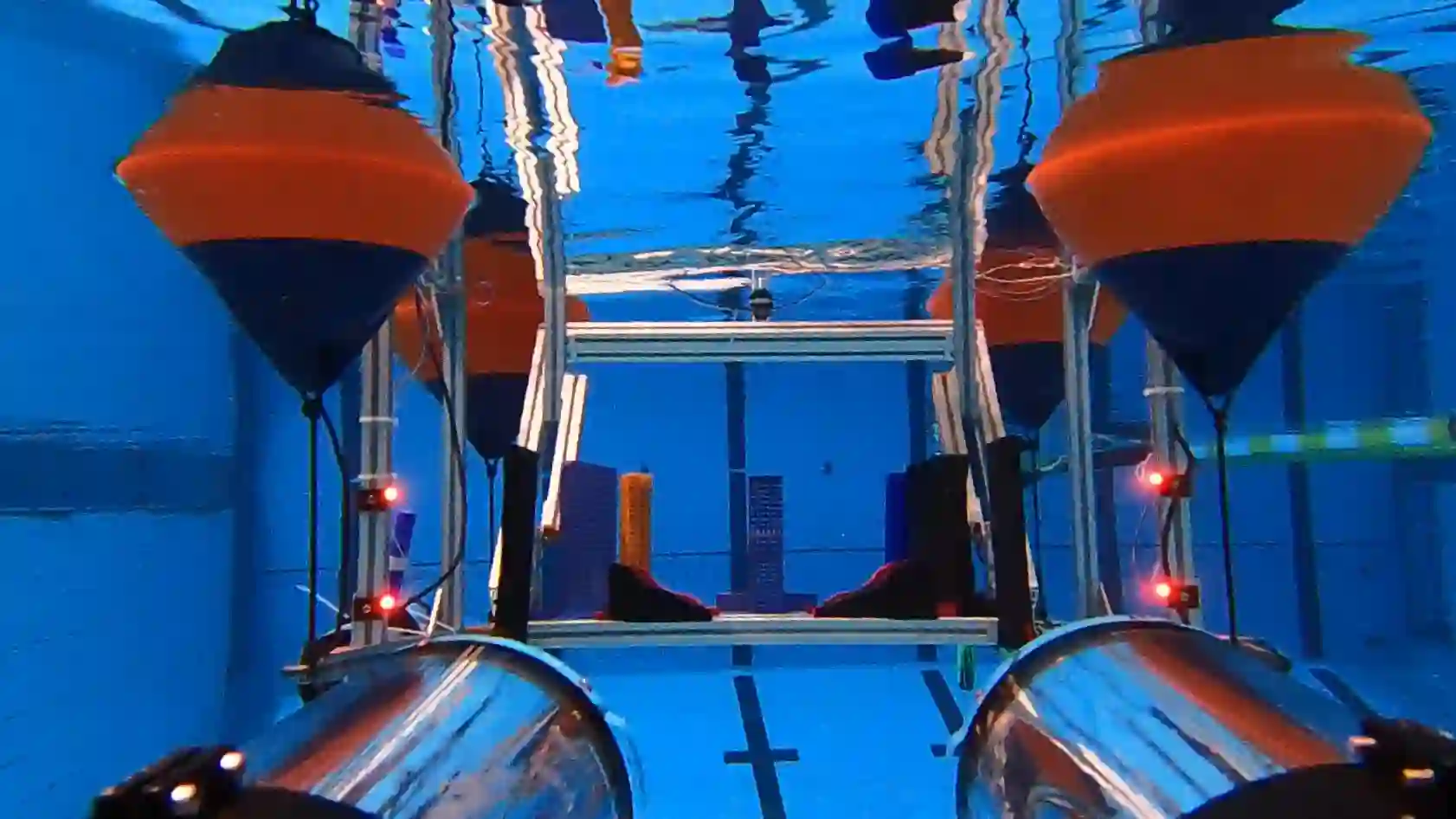
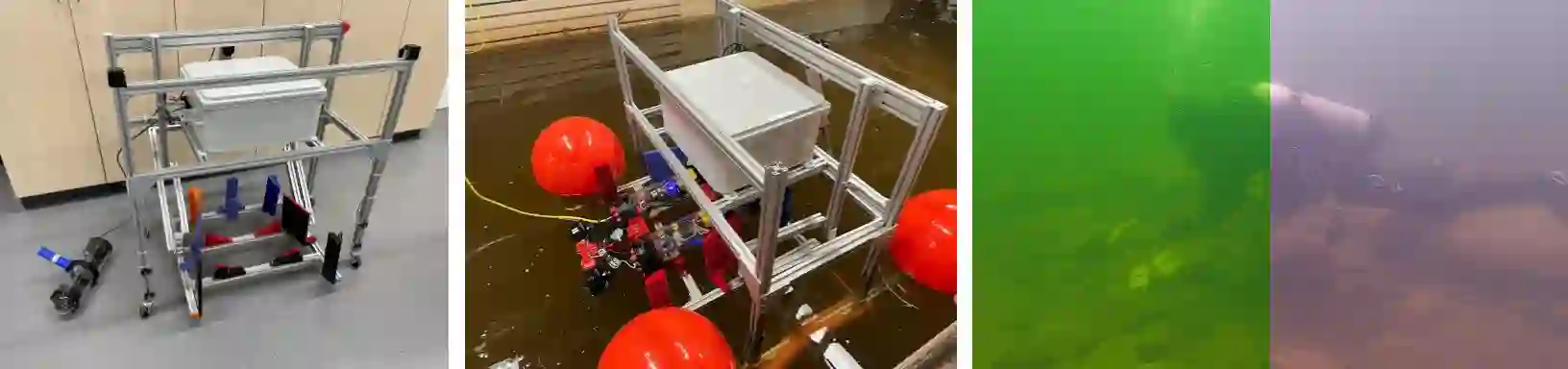
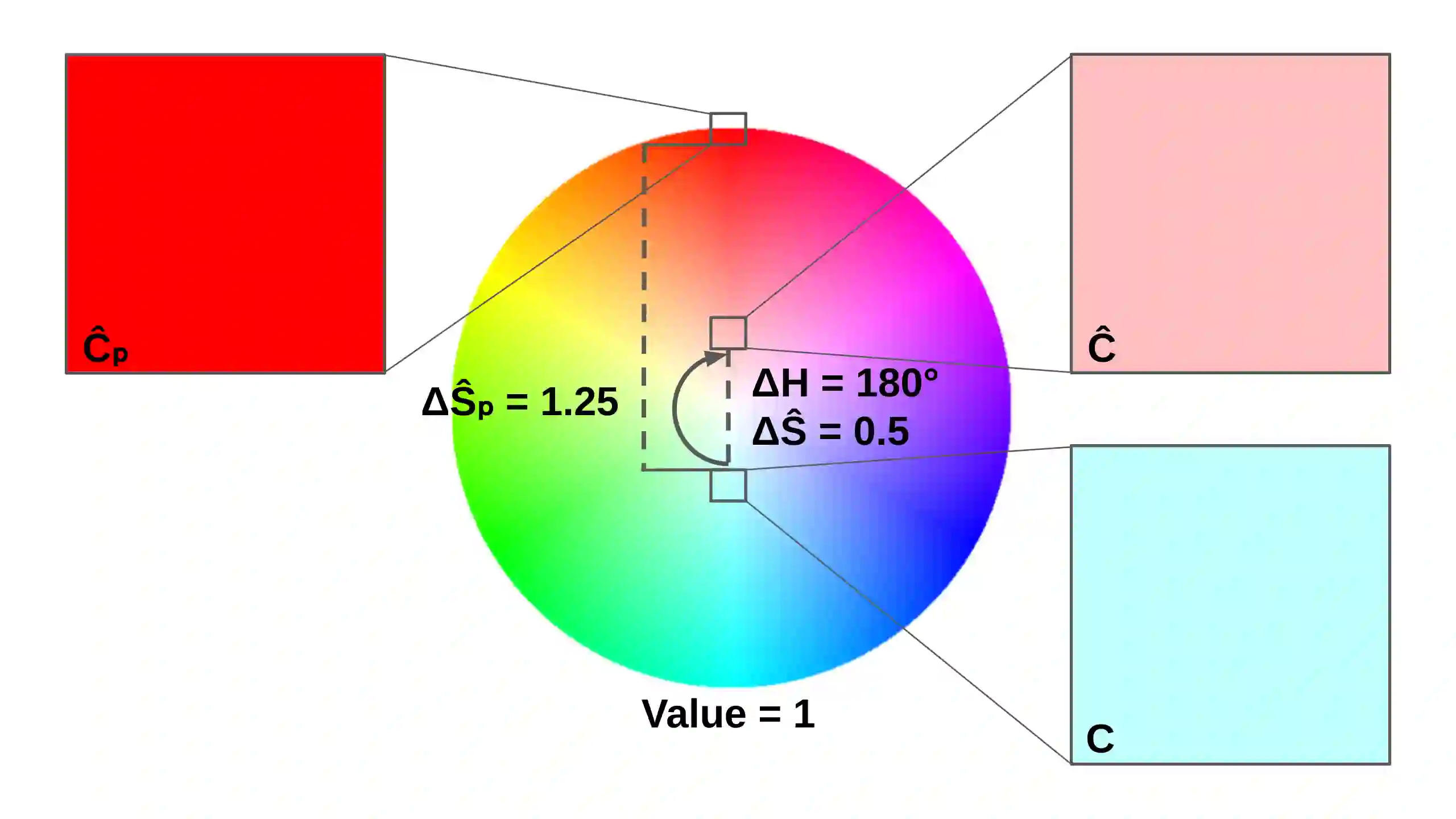
Autonomous Underwater Vehicles (AUVs) conduct missions underwater without the need for human intervention. A docking station (DS) can extend mission times of an AUV by providing a location for the AUV to recharge its batteries and receive updated mission information. Various methods for locating and tracking a DS exist, but most rely on expensive acoustic sensors, or are vision-based, which is significantly affected by water quality. In this \doctype, we present a vision-based method that utilizes adaptive color LED markers and dynamic color filtering to maximize landmark visibility in varying water conditions. Both AUV and DS utilize cameras to determine the water background color in order to calculate the desired marker color. No communication between AUV and DS is needed to determine marker color. Experiments conducted in a pool and lake show our method performs 10 times better than static color thresholding methods as background color varies. DS detection is possible at a range of 5 meters in clear water with minimal false positives.
翻译:自主水下航行器(AUV)可在无需人工干预的情况下执行水下任务。对接站(DS)能为AUV提供电池充电与更新任务信息的场所,从而延长其任务持续时间。现有多种定位与跟踪DS的方法,但大多依赖昂贵的声学传感器,或采用受水质显著影响的视觉方案。本文提出一种基于视觉的方法,通过自适应颜色LED标记与动态颜色滤波,在不同水质条件下最大化地标可见性。AUV与DS均利用摄像头感知水体背景颜色,以计算目标标记颜色,且两者无需通信即可确定标记颜色。在游泳池与湖泊中开展的实验表明:当背景颜色变化时,本方法的性能比静态颜色阈值法提升10倍;在清澈水体中,DS检测距离可达5米且误检率极低。




相关内容





 微信扫码咨询专知VIP会员