

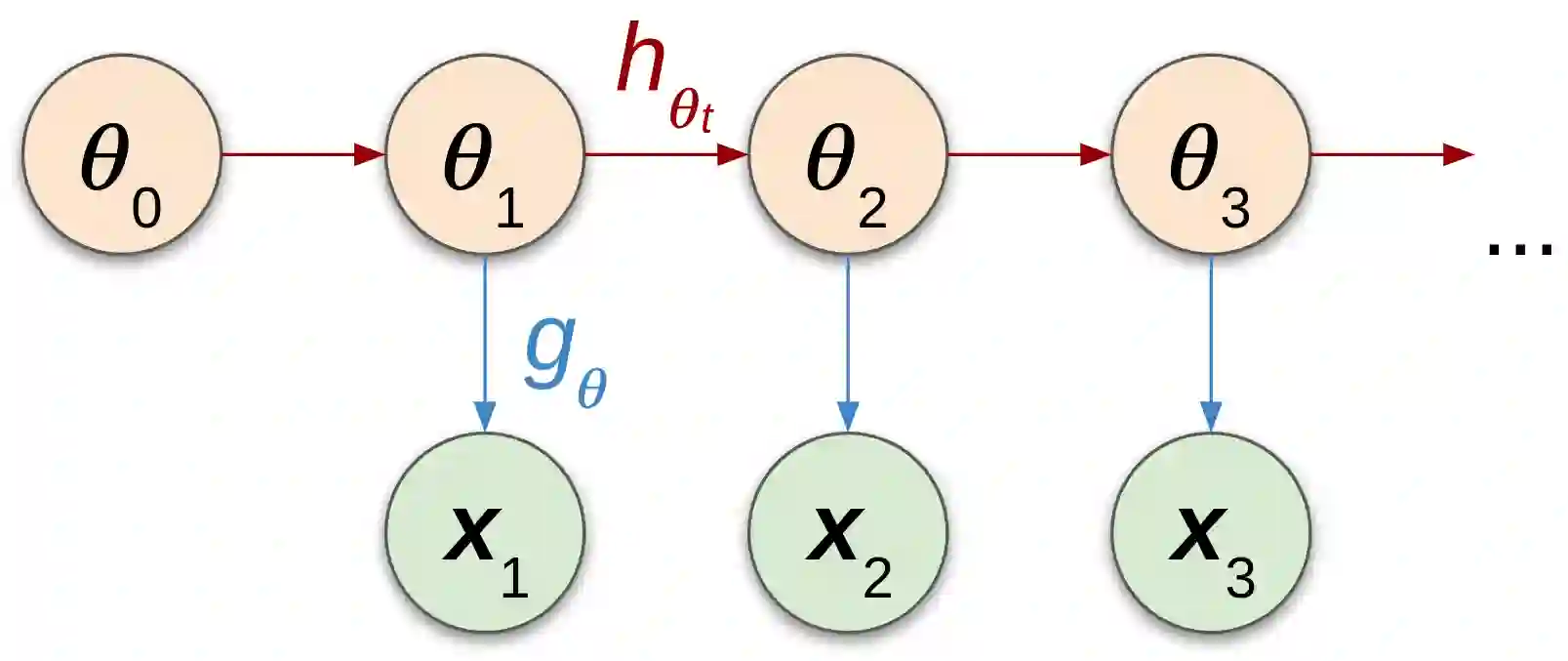
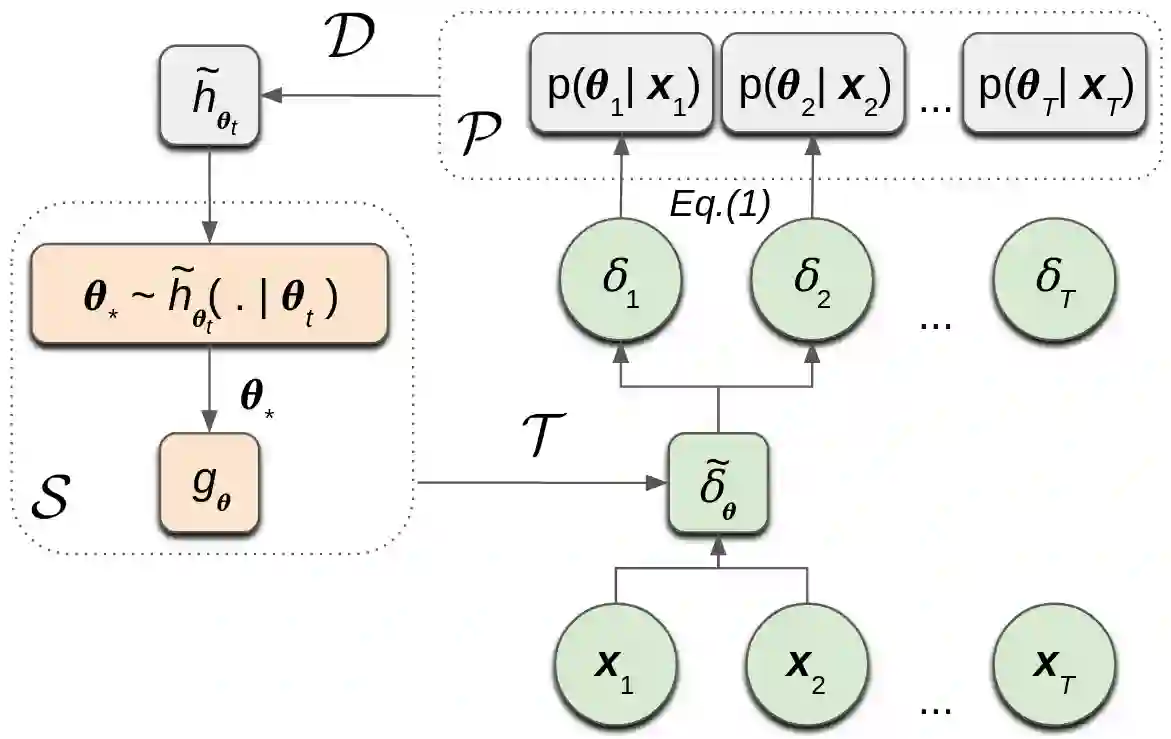
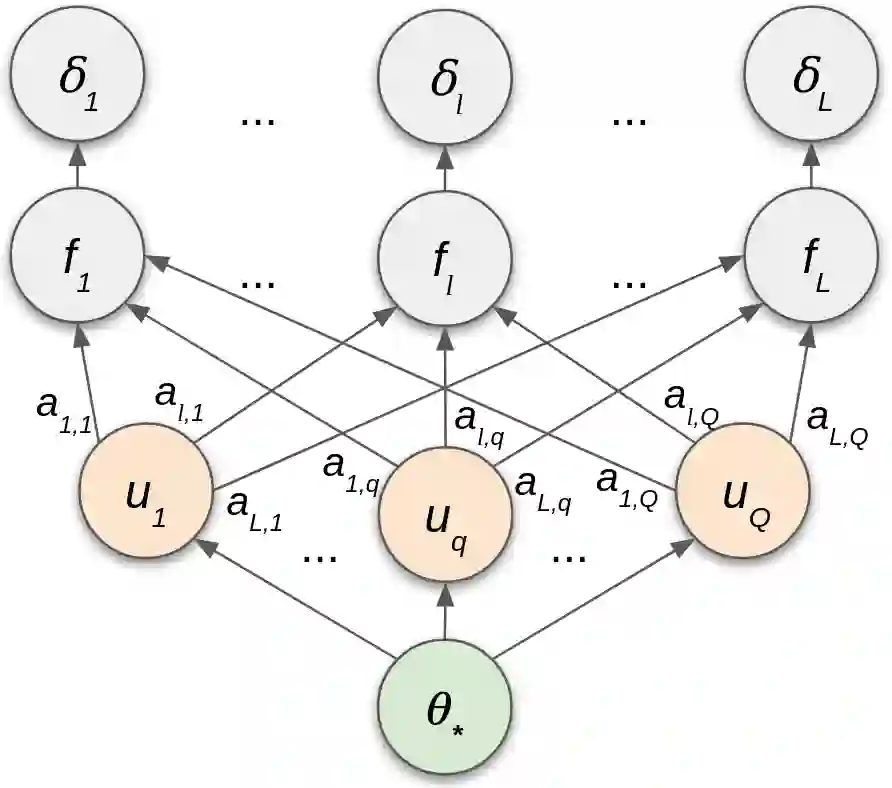
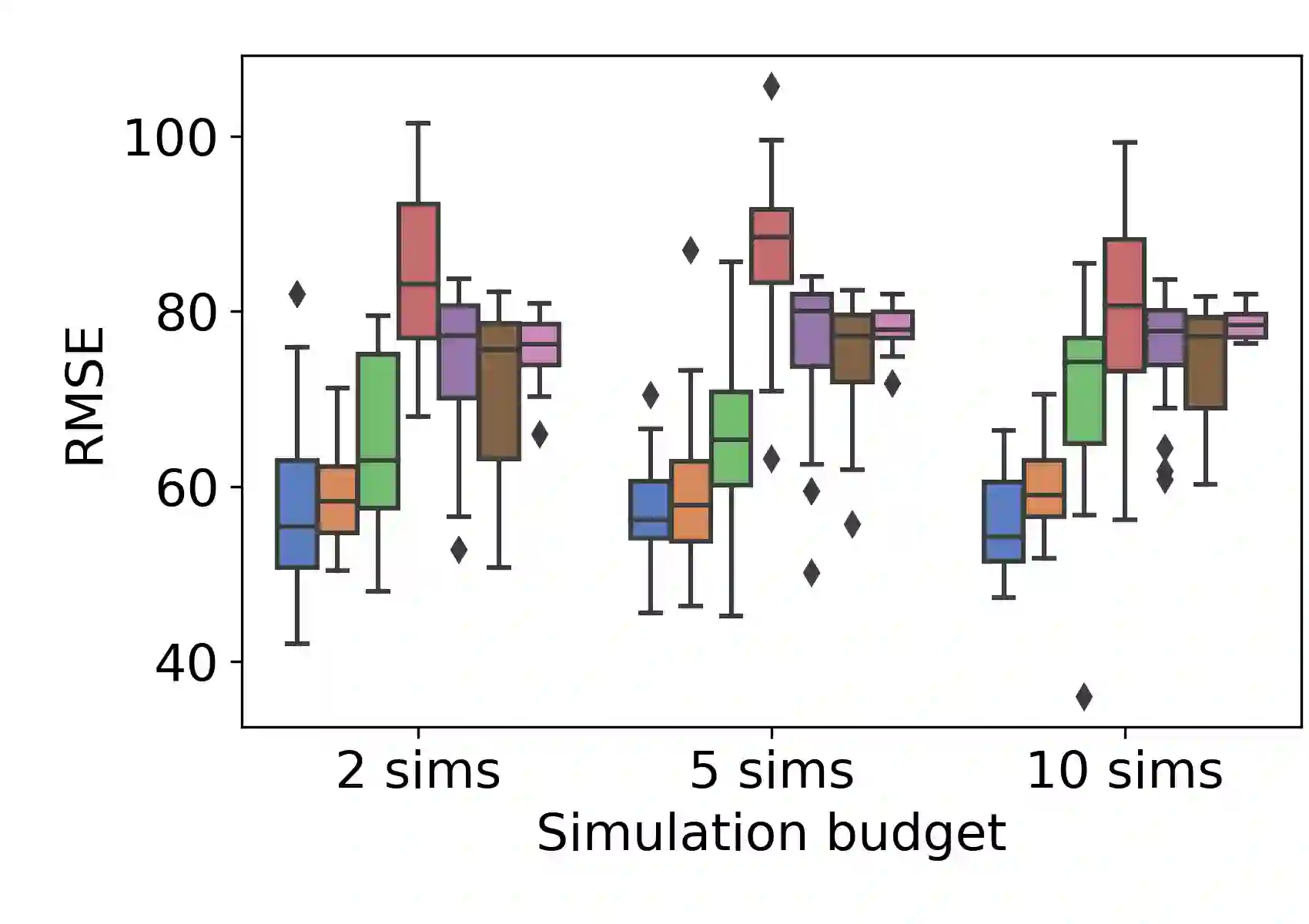
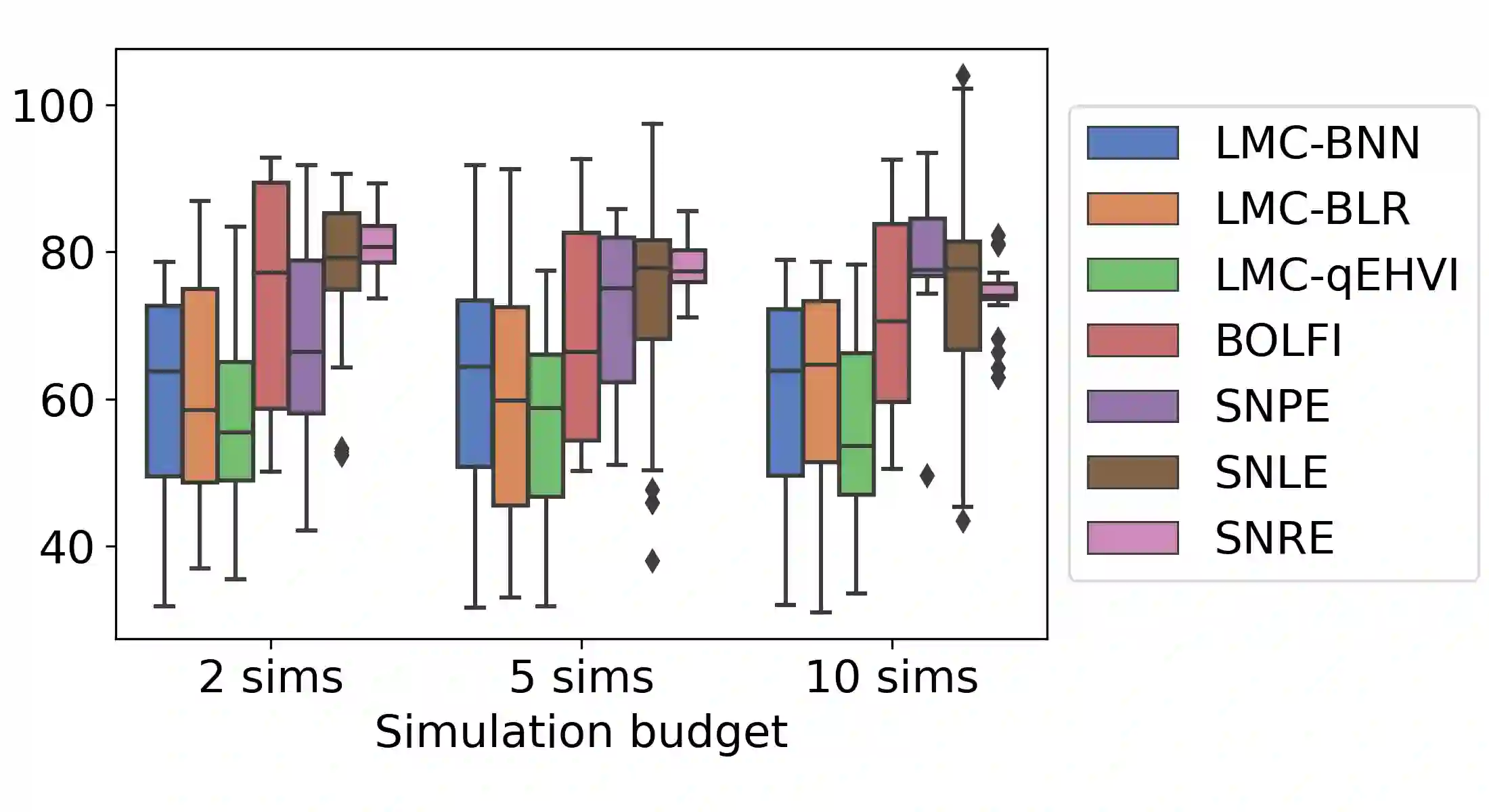
Likelihood-free inference (LFI) has been successfully applied to state-space models, where the likelihood of observations is not available but synthetic observations generated by a black-box simulator can be used for inference instead. However, much of the research up to now have been restricted to cases, in which a model of state transition dynamics can be formulated in advance and the simulation budget is unrestricted. These methods fail to address the problem of state inference when simulations are computationally expensive and the Markovian state transition dynamics are undefined. The approach proposed in this manuscript enables LFI of states with a limited number of simulations by estimating the transition dynamics, and using state predictions as proposals for simulations. In the experiments with non-stationary user models, the proposed method demonstrates significant improvement in accuracy for both state inference and prediction, where a multi-output Gaussian process is used for LFI of states, and a Bayesian Neural Network as a surrogate model of transition dynamics.
翻译:无似然推断(LFI)已成功应用于状态空间模型,在该模型中,观测值的似然函数不可获取,但可通过黑箱模拟器生成的合成观测值进行推断。然而,现有研究大多局限于以下情形:状态转移动力学模型可预先建立,且模拟预算不受限制。当模拟计算成本高昂且马尔可夫状态转移动力学未定义时,这些方法无法解决状态推断问题。本文提出的方法通过估计转移动力学,并利用状态预测结果作为模拟的建议分布,从而在模拟次数有限的情况下实现状态的无似然推断。在非平稳用户模型的实验中,本文方法在状态推断和预测的精度上均展现出显著提升,其中采用多输出高斯过程进行状态的无似然推断,并使用贝叶斯神经网络作为转移动力学的替代模型。




相关内容




 微信扫码咨询专知VIP会员